What Are the Pros and Cons of Influencer Marketing?
People trust people more than banners, rendering traditional ad strategies obsolete. Influencer marketing bridges this gap, allowing you to rent credibility and translate products into stories that truly resonate. This isn't just about reach; it is about building measurable trust that drives sales. However, without a system, it becomes a gamble of vanity metrics and wasted budget. Below, we break down the real pros, cons, and operational strategies you need to stop guessing and start building a scalable, high-performance channel.
What is an influencer, and why “influencer marketing has emerged” so fast?
An influencer is someone who has earned attention from a specific group and can shape purchase decisions because people are interested in what they have to say. That could be a YouTuber, a newsletter writer, a streamer, or a creator who simply knows their audience deeply. The reason influencer marketing has emerged so fast is simple: people trust people more than banners. That shift in consumer behavior is not subtle, it is the whole game.
Here is the key: the power of influencer marketing is not just reach, it is credibility. A creator can translate a product into a story that feels natural but not forced. When done well, you build trust through context, demos, and lived opinions. And yes, that trust is measurable when you set the right goals and tracking from day one.

The Power of Parasocial Relationships (And Why YouTube Wins)
To truly understand why influencer marketing works, we have to look at the psychology behind it: Parasocial Relationships.
A parasocial relationship is a one-sided psychological bond where a viewer feels a genuine connection or friendship with a media figure, despite never having met them. While this exists with TV stars, it is exponentially stronger with online creators.
Why? Vulnerability. When a YouTuber looks directly into the lens, sits in their messy bedroom, and talks about their struggles, they aren't performing; they are hanging out. This connection is strongest on YouTube compared to TikTok or Instagram. On TikTok, you scroll for dopamine. On YouTube, you settle in for a 20-minute video over lunch. You spend time with the creator.
Because the audience feels they "know" the creator, they process recommendations differently. It doesn't trigger the brain's skepticism center; it triggers the advice-from-a-friend center. When a creator says, "I've actually been using this service for six months," the conversion rates often significantly outperform traditional media.
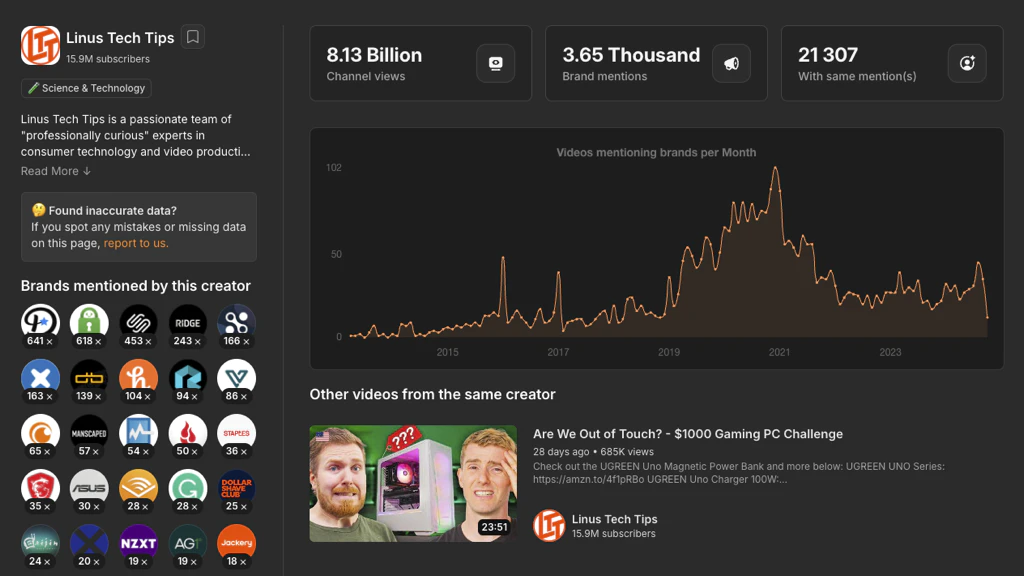
The Challenge is finding the "real" connection. However, you can't see a parasocial relationship on a spreadsheet. You can see subscriber counts, but you can't see trust. This is where data intelligence becomes vital. You cannot rely on "vibes" to find these deep connections. You need tools like Sponsorship.so. It helps marketers cut through the noise by identifying the right creators in the database who have already successfully integrated similar brands. Instead of manually scrolling and hoping to find a match, our tool visualizes which influencers have the most genuine link to their audience, helping you tap into the right pool of potential clients.
For example, influencers such as Emma Chamberlain started to emerge as 'relatable' creators. They talk in a very comfortable and relatable fashion, easily dragging viewers into a principally long form contents. Sooner or later, the 'relatability' becomes debatable with the fame that they acquire over time, but they do get to keep the parasocial relationship that they have built over the years with their viewers.
Pros and cons: is it better compared to traditional advertising?
Let’s be honest, every channel has tradeoffs. The pros and cons of influencer deals depend on what you value most: control or credibility. With traditional advertising, you control the script. With a creator, you rent someone else’s voice. That can be amazing or messy, sometimes both at the same time.
Compared to traditional, an influencer can feel like a shortcut to attention, but it can also be a gamble if you skip diligence. Compared to traditional advertising, creator content often lands more “human,” while traditional media can still deliver scale and predictability. The real question is what you need right now: speed, trust, or guaranteed distribution at a known price.
A practical lens is the cost of traditional advertising versus creator deals. A polished ad can be expensive, and you still have to pay for distribution. With creators, distribution is bundled into the relationship, but you are paying for trust and taste, not just impressions. That is why unlike traditional advertising, this channel rewards teams who think like operators, not gamblers.
What are the advantages of influencer marketing for brand awareness and targeted reach?
The advantages of influencer marketing start with precision. When you pick creators whose audience matches your target audience, you get targeted reach that feels natural. That helps increase brand recall because the message arrives wrapped in a familiar voice. This is also where brand awareness can jump quickly, especially when multiple creators reinforce the same idea from different angles.
Another upside is creative leverage. Great influencer content can educate, entertain, and sell in a single piece, which is hard for most ads to do without feeling like a commercial. When that content is strong, you get high engagement because people comment, share, and ask questions, and that boosts discovery across feeds. In other words, you are not just buying attention, you are buying momentum.
And if you repurpose the best clips on your own channels, you can get significant SEO benefits too, especially when reviews, comparisons, and tutorials answer the exact questions people search for. This is one reason a modern marketer treats creators as both distribution and creative production, not just a one-time shoutout.
What are the disadvantages of influencer marketing, and what’s the hidden disadvantage?
Now the hard part: the disadvantages of influencer marketing are real. One obvious disadvantage is unpredictability. The post might hit, or it might flop because the timing is off, the hook is weak, or the audience is tired of promos. Another is operational drag, briefs, approvals, delays, and rework can quietly eat your team alive if you do not run a tight process.
Here is the hidden one: influencer marketing disadvantages often show up after the contract is signed. Misaligned expectations, unclear deliverables, or missing tracking can turn a good creator into a bad investment. This is also the biggest challenge in influencer marketing for many teams: making it repeatable. The challenges in influencer execution are less about creativity and more about systems, measurement, and consistency.
And yes, there is a reputation angle. If the creator’s audience does not trust the promotion, you can lose consumer trust instead of gaining it. That is why influencer marketing can become a liability when teams chase vanity and skip due diligence. Treat it like a serious channel, not a lottery ticket.
How do you pick the right influencer without guessing?
Picking the right influencer is less about vibes and more about evidence. Start with influencer selection based on what they have already promoted, how they talk about products, and whether their audience matches your demographics. Look for creators who can communicate your brand’s message without sounding like they are reading a script. Then verify fit by reviewing comments, past sponsor reads, and how the creator handles questions.
This is where strong influencer discovery matters. Instead of scrolling for hours, build a short list based on niche, audience, and past partnerships. Tools like Sponsorship.so help teams find creators who have already mentioned similar brands, which reduces guessing and speeds up the research process. Good influencer vetting also checks for brand safety risks, content consistency, and whether the creator’s tone matches your brand message.

Finally, do not get hypnotized by follower count. A smaller creator with real trust can outperform a larger one with a disengaged audience. This is why micro-influencers can be powerful, especially for products that require education or community credibility. Fit beats fame, almost every time.
If you're looking for Youtube content creators specifically, check out our guide on How to Find YouTubers to Sponsor for Influencer Marketing.
How do you measure ROI and engagement rate in an influencer marketing campaign?
Measurement is where professionals separate from amateurs. Start by setting campaign goals that match the funnel: awareness, signups, trials, or purchases. Then design tracking that can show direct impact. A clean setup usually includes trackable links, unique codes, and landing pages that match the offer. In an influencer marketing campaign, you want to know what happened, not just what you hoped happened.
Next, watch your engagement rate and benchmark it against the creator’s normal performance. High likes with low clicks can mean the creative is entertaining but not persuasive. Low engagement with strong clicks can mean the audience is small but decisive. Combine these signals with at least one business outcome so your ROI is thoroughly measured. If you can, calculate return on investment with contribution margin, not revenue alone.
Keep your metric stack simple: clicks, conversions, CAC, and maybe one quality signal like retention or lead quality. Review campaign effectiveness during the flight, not weeks later, and adjust creative or targeting. That is how you improve campaign performance without throwing away the whole budget.
If you want to learn more about Influencer Marketing Campaign, here is a more in-depth article from us that explains it.
What does an influencer campaign cost, and what belongs in the partnership terms?
Campaign costs vary wildly, but pricing usually follows leverage: niche fit, audience trust, and distribution power. An influencer campaign can be a single integration, a series of videos, or a longer relationship. The smart move is to price based on expected outcomes and audience fit, not on hype. If you treat it like any other marketing campaign, you will negotiate clearer deliverables and better accountability. In order to price correctly, you can use tools such as a YouTube Sponsorship Calculator to see how much you should anticipate for the budget.

Now the contract part. A proper partnership covers deliverables, timelines, approvals, and what happens if things go wrong.
Do you get usage rights to run the clip as an ad?
Can you edit it?
How long can you use it?
This matters a lot when you want to scale winners. Also clarify ownership of influencer-generated content and whether you can turn it into user-generated content style ads on your own pages.
Consider performance structures too. Affiliate marketing or hybrid deals can align incentives when you want outcomes, not just impressions. This is also where influencer marketing offers can be tested, different bundles, trials, or limited-time deals that make the pitch feel exciting instead of generic. Great terms make the collaboration smoother throughout the campaign and reduce misunderstandings later.
How do you avoid influencer controversies and negative publicity?
Brand safety is not paranoia, it is risk management. Influencer controversies can happen, and they can trigger negative publicity even if your product did nothing wrong. Remember, the creator can impact the brand they represent because audiences link the two in their minds. So treat vetting like you would hiring: background checks, content audits, and a clear code of conduct.
Operationally, include clauses for morality, disclosure compliance, and removal rights. Monitor comments and community reaction on sponsored pieces. If the audience hates the integration, it is a signal your brief or fit is wrong, not just that “people are haters.” Also avoid the classic pitfall of forcing a creator to read stiff talking points. If the audience smells a script, trust drops fast.
When things go wrong, respond quickly and calmly. Pause spend, align internally, and decide whether to edit, clarify, or end the relationship. This is part of running professional influencer marketing efforts, not a sign the channel is broken.
Which social media platforms matter most now?
Creators live where attention lives, but each platform behaves differently. Think of social platforms as different stages: some reward polished storytelling, some reward raw authenticity, and some reward frequency. Your job is to match format to offer. A product that needs explanation often performs well with longer form content and demos, while impulse buys can thrive in faster formats on social media platforms.
On platforms like Instagram, aesthetics and identity matter. People follow for style, taste, and lifestyle context, so the creative should feel native. On Tiktok, speed and hooks matter more, and you have to earn attention in the first seconds.
Also be clear about distribution: creators may cross-post on multiple social media channels, but performance can differ. Track by placement so you do not confuse the channel with the creator. And always match the creator to the platform behavior, not just the platform trend.
How do you build an influencer strategy for brands that drives business growth?
Here is the secret: an influencer strategy is not a list of creators, it is a system. You define the offer, the audience, the creative angle, and the measurement plan. Then you run small tests, double down on winners, and build a pipeline that keeps producing. This is digital marketing done with humans instead of banners, but it still needs process. Strong marketing strategies create repeatability, not randomness.
To scale, you need operations: a clean brief, fast approvals, clear tracking, and a CRM-like workflow for outreach and follow-up. This is what advanced influencer marketing looks like in real teams. You also want diversified creator tiers so one flop does not ruin the quarter. Build a steady base of recurring creators and rotate experiments on top. That approach reduces risk and improves ROI over time.
Finally, track learning. Which hooks work? Which creators convert? Which offers pull? That is what makes influencer marketing sustainable and what drives business growth without praying for a viral moment. If you want to leverage influencer marketing at scale, prioritize repeatable inputs over lucky outputs, and treat creator deals like a core part of the marketing industry, not a side quest.
Conclusion
An influencer can be your fastest path to trust, attention, and sales, but only if you run the channel like a real system. The pros of influencer marketing are huge when you have strong fit, clear terms, and clean measurement. The cons of influencer marketing show up when you skip vetting, chase vanity, and fail to track outcomes. If you compare it to traditional marketing, think control versus credibility, and choose based on your goal, timeline, and resources. Do it well, and you will get repeatable wins. Do it sloppy, and you will keep paying for expensive lessons.
Checklist:
- Set clear campaign goals before you contact anyone.
- Focus on target audience fit and demographics, not follower count hype.
- Use a simple metric stack and track ROI with real outcomes.
- Lock down partnership terms, including usage rights and timelines.
- Plan for risks like influencer controversies and negative publicity.
- Match influencer content to the platform and audience behavior.
- Build a repeatable system so you can scale winners across multiple influencer collaborations and influencer posts.

Alexandru Golovatenco
Hi, I'm Alex. I write articles about YouTube sponsorships for brands, content creators, and agencies. I also created sponsorship.so, which is a tool that helps you find the right fit for a YouTube sponsorship.