What Is an Influencer Brief? Sections, Examples, and Mistakes
An influencer brief is the working document a brand gives a creator to explain a campaign's goal, audience, deliverables, creative boundaries, deadlines, disclosure rules, and approval process. It turns an agreed collaboration into clear instructions without writing the creator's content for them.
The useful distinction is simple: the brief explains how to execute the campaign. The contract records the legal and commercial agreement. A media kit helps a creator sell their value, and a proposal helps one side pitch the campaign. Those documents can reference each other, but they do different jobs.
An effective influencer brief answers four questions before production starts: What outcome matters? What is fixed? What can the creator decide? How will the work move from concept to publication and reporting?
Within an influencer marketing strategy, the brief sits between planning and production. The marketing team sets campaign goals and KPIs; the influencer and brand agree on scope; the creator decides how to create content that resonates with their audience.
What is an influencer brief?
An influencer brief, also called a creator brief or influencer marketing brief, is an execution document for a brand-creator campaign. It gives the creator enough product context and campaign direction to make the agreed content, while giving both sides one reference for deliverables, dates, required disclosures, feedback, links, codes, and reporting.
The same structure works for YouTubers, short-form video creators, podcasters, newsletter writers, and other content creators.
The brief helps brands and creators turn marketing goals into clear expectations. It does not choose the creator, negotiate the deal, or prove that the campaign worked. Those decisions belong to the surrounding influencer marketing process.
A brief should not be a compressed brand strategy deck. It should contain the information the creator needs for this campaign. If a paragraph will not change what the creator makes, checks, or submits, it probably belongs in a linked reference rather than the main brief.
The UK Government Communication Service's official influencer marketing guidance uses a briefing template with a campaign overview, objectives, key messages, call to action, deliverables, content guidelines, timelines, mentions, and usage rights. That is a sound baseline for a commercial campaign, whether the final brief lives in a document, project tool, or email.
Influencer brief vs. influencer contract, proposal, and media kit
Document |
Main question |
When it is used |
|---|---|---|
Influencer brief |
What are we making, within which constraints, and by when? |
After campaign interest and scope are clear, before production. |
Contract |
What has each party legally agreed to? |
Before work begins or content is published. |
Campaign proposal |
Why should this campaign or partnership be approved? |
During pitching, planning, or budget approval. |
Creator media kit |
Why is this creator a fit for brand work? |
During discovery and commercial evaluation. |
Payment, usage rights, exclusivity, and revisions may be summarized in the brief because they affect production. The signed contract should remain the controlling record. If the two disagree, stop and reconcile them before the creator films or posts.
How to write an influencer brief: sections to include
An influencer brief should include the following nine sections. The first five shape the content. The remaining four prevent operational ambiguity.
1. Campaign outcome
Start with a short campaign overview and one primary outcome in plain language. "Promote the launch" is vague. "Show busy founders how the product shortens weekly reporting, then send qualified visitors to the launch page" gives the creator a problem, an audience, and an action. List secondary campaign objectives only when they affect the work.
Add the primary campaign KPI only when it changes the creative decision. An influencer marketing campaign built for brand awareness needs a different opening from one optimized for code redemptions. For a fuller measurement plan, use the influencer marketing KPI guide.
2. Creator and audience context
Explain why this creator was selected and which part of their audience the campaign should address. This section should be specific to the creator. It can mention a recurring format, audience question, or relevant past video. That context is more useful than pasting a generic customer persona into every brief.
Selection still happens before briefing. If you have not checked audience fit, sponsored-content history, engagement quality, or brand safety, run the influencer vetting process first.
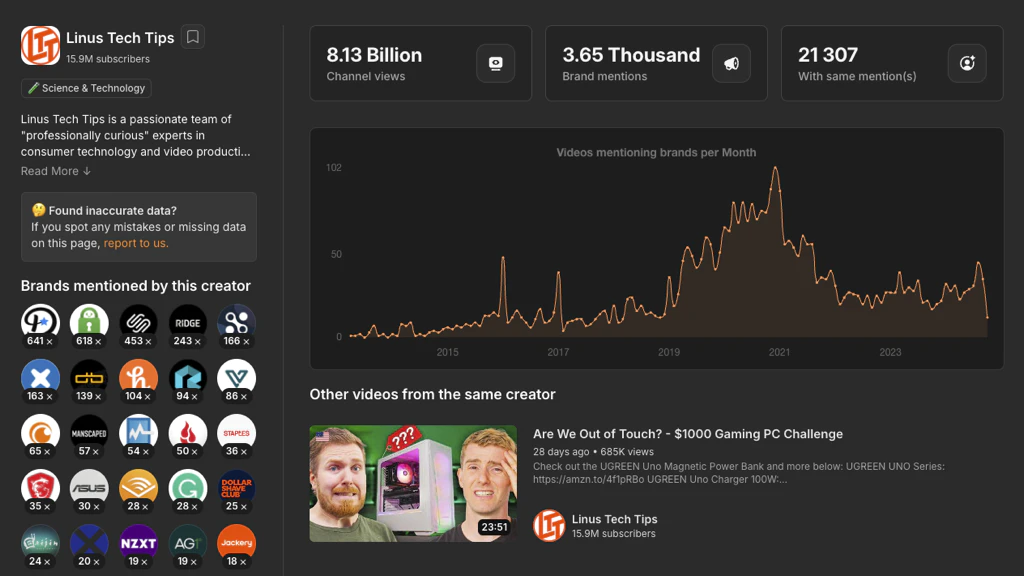
For YouTube campaigns, the Sponsorship.so creator database can help you find relevant channels and inspect their sponsorship history before you write creator-specific context.
3. Product truth and approved claims
Give the creator the product facts behind your brand messaging: what the product or service does, who it is for, how the product works, and where the limits are. Link to evidence for claims that need proof. Mark exact legal or regulated wording as mandatory; label the rest as source material the creator can translate into their own voice. Link the full brand guidelines separately when they apply.
Do not ask a creator to describe an experience they did not have. FTC guidance says an endorser cannot claim to have used a product they have not tried or make claims that the advertiser cannot support. If genuine experience matters to the concept, allow enough product-use time before the concept deadline.
4. Deliverables and publishing details
Name each deliverable precisely: platform, format, quantity, approximate length, placement, destination link, promo code, required tag, and publish window. "One video" leaves too many open questions. "One 60-90 second YouTube integration in the first half of a long-form video, publishing between 8 and 14 September" is actionable.
Include required hashtags, handles, captions, and whether influencer content must also be delivered as UGC for brand-owned channels. Add asset specifications only when they matter. If a logo must stay inside a safe area or a link must carry a specific UTM parameter, put that detail beside the relevant deliverable instead of hiding it in an appendix.
5. Creative direction using Must / Decide / Avoid
This is where an influencer creative brief often becomes too rigid. Brands mix legal requirements, preferences, and optional ideas into one list, so creators cannot tell what is actually fixed. Sort every instruction into three buckets:
Bucket |
What belongs there |
Example |
|---|---|---|
Must |
Non-negotiable facts, deliverables, disclosures, claims, and technical requirements. |
Show the reporting screen; state that the video is sponsored; use the tracked link. |
Decide |
Choices the creator owns because they know the format and audience. |
Choose the hook, story, filming location, and phrasing of the approved product benefit. |
Avoid |
Unsupported claims, unsafe visuals, competitor conflicts, or category restrictions. |
Do not promise guaranteed results; do not show private customer data. |
This structure protects creative freedom without leaving the campaign open-ended. A mood board can provide examples and visual context, but it should not become a mandatory shot list unless those shots are part of the agreed deliverable.
The test is uncomfortable but useful: if every line lands in Must, you have written a script disguised as a brief. A good brief leaves room for authentic content. The UK Government Communication Service advises keeping necessary control while leaving flexibility for a creator's input because creators understand what their audiences prefer.
6. Disclosure and platform requirements
Write the required disclosure into the brief instead of assuming the creator will infer it. For US-facing endorsements, the FTC's influencer disclosure guide says material connections include payment, free or discounted products, and other things of value. The disclosure should be hard to miss, appear with the endorsement, and use clear language in the same language as the content.
Platform tools are an additional requirement, not a universal substitute for the disclosure itself. YouTube requires creators to select the paid promotion box for paid placements, sponsorships, and endorsements. TikTok's January 2026 instructions require the commercial content disclosure setting when a post promotes a brand, product, or service. The FTC's revised 2023 Endorsement Guides also warn that a platform's built-in tool may not be adequate on its own.
Rules differ by country, product category, audience, and platform. Name the campaign markets in the brief and have qualified counsel review regulated categories or uncertain claims. Use the separate influencer guidelines checklist for detailed platform, disclosure, claims, and escalation controls. A template is not legal advice.
7. Concept, review, and revision workflow
A useful influencer campaign brief clearly outlines what is submitted at each stage and who responds. A clean workflow might be concept, rough cut, compliance review, final file, publication, and performance report. Give a date and owner for each step, plus the expected feedback window.
State the number and scope of included revision rounds in the contract, then repeat the operational summary in the brief. "One factual and compliance review within two business days" is clearer than "send for approval." It also stops late feedback from silently moving the publish date.
8. Rights, exclusivity, payment, and contacts
Summarize terms that affect the work: where the brand may reuse the content, whether paid amplification is included, the license period, category exclusivity, compensation, invoicing steps, and payment timing. The UK Government Communication Service template calls out the media or channel and license term for content usage rights.
Do not hide broad usage or exclusivity terms in a creative paragraph. If the brand wants paid social usage, whitelisting, raw footage, or a long competitor restriction, price and record it explicitly. Use the influencer rate calculator as a planning input, then negotiate the actual scope with the creator.
Clear terms support healthier influencer partnerships and make long-term relationships easier to renew.
9. Tracking and reporting
List the links, codes, platform metrics, screenshots, and reporting date required after publication. Record which links, promo codes, and hashtags were used in the campaign. Assign an owner to test each one before the content goes live. If the creator should share views, watch time, audience retention, clicks, or conversions, specify the reporting window and format.
Influencer brief examples: a complete worked example
The Must / Decide / Avoid table above and the fictional campaign example below show two ways to make instructions concrete. The worked example gives the level of detail a creator needs and is intentionally shorter than a full campaign template.
Campaign: FocusFlow weekly reporting launch

Outcome
Show operations leads how FocusFlow turns scattered project updates into one weekly report. Primary action: visit the tracked launch page.

Audience
Speak to small-team operations leads who collect updates manually. Use the creator's normal project-management format.

Deliverable
One 60-90 second YouTube integration in the first half of a long-form video.
Publish window: 8-14 September.
Tracked link: [campaign URL]

Must
- Demonstrate the weekly report builder with fictional data.
- State that the video is sponsored by FocusFlow.
- Mention that reports can be edited before sharing.
- Put the tracked link first in the description.

Decide
- Choose the hook, workflow story, screen sequence, and exact wording.
- Compare the product with the creator's previous manual process if that experience is genuine.

Avoid
- Do not show customer or private workspace data.
- Do not claim that reporting is fully automatic.
- Do not promise a fixed number of hours saved.

Workflow
Concept: 2 September
Brand feedback: 4 September
Rough cut: 7 September
Final approval: within two business days

Reporting
Send views, average view duration, link clicks, and code redemptions seven days after publication.

Commercial summary
Usage: creator channel only. Any paid amplification requires a separate written amendment.
Payment and revision terms: see signed contract.
Contact: Maya, partnerships@focusflow.example
Notice what the example does not do: it does not dictate the first sentence, write a testimonial for the creator, or bury the operating details in a separate email chain. The creator can make something native to their channel while the brand protects facts, disclosure, data, and tracking.
For the complete brand-side and creator-side version, copy the full campaign template.
Seven influencer brief mistakes to avoid
1. Treating every preference as a requirement
A list of 30 mandatory details leaves the creator no meaningful creative decision. Use Must only for obligations that protect the campaign. Move hooks, wording, and storytelling choices into Decide unless there is a real reason not to.
2. Sending the same brief to every creator
The campaign facts can stay consistent, but the audience context and creative opportunity should change. Add one short section explaining why this creator fits and which recurring format or audience problem makes the partnership credible.
3. Replacing a contract with a brief
A brief can summarize payment, rights, exclusivity, and revisions. It should not be the only record of them. Put commercial and legal terms in a signed agreement and make the operational summary consistent with it.
4. Writing claims the creator cannot honestly make
Do not hand over a testimonial and ask the creator to perform it. Separate verified product facts from optional talking points, and give the creator time to use the product when personal experience is part of the endorsement.
5. Hiding disclosure in a footer
A disclosure line at the end of a document is not execution guidance. State the exact campaign requirement beside the deliverable, include the relevant platform setting, and flag any market-specific review.
6. Leaving approval open-ended
"Brand approval required" says nothing about the submission format, reviewer, turnaround time, or permissible changes. Define the stages and feedback window before the creator schedules production.
7. Forgetting the post-publish handoff
The campaign is not finished at publication. Confirm the live URL, test links and codes, capture the agreed metrics, and set the reporting date in the brief. Store the results in the same campaign record so renewal decisions use evidence rather than memory.
Influencer brief template checklist
Use this checklist when you create an influencer brief or adapt the free influencer brief template for a new campaign.
- One primary campaign outcome and the audience action.
- A creator-specific reason for the partnership.
- Verified product facts and approved claims.
- Exact deliverables, platforms, quantities, and dates.
- Creative direction separated into Must, Decide, and Avoid.
- Disclosure language and platform settings.
- Concept, review, revision, and approval owners.
- Usage rights, exclusivity, payment, and contact summary.
- Tracking links, codes, reporting metrics, and reporting date.
- A final check that the brief matches the signed contract.
Send the brief after the creator has shown interest and the main scope is understood. If you are still at the first-contact stage, start with the guide to emailing an influencer for a brand collaboration. The outreach earns the conversation; the brief makes the agreed campaign executable.
Influencer brief FAQ
How long should an influencer brief be?
Use the shortest document that makes the campaign executable. A single deliverable may fit on one or two pages, while a multi-market launch may need linked product, legal, and asset references. Length is not the goal. A creator should be able to find the outcome, deliverables, Must / Decide / Avoid guidance, deadlines, and reporting requirements quickly.
Who writes the influencer brief?
The campaign owner usually writes the first draft with input from brand, product, legal, and measurement teams. The creator should review it before production and flag unclear claims, impractical dates, or guidance that conflicts with their format. One person should own the final version so feedback does not fragment across email and chat.
When should you send an influencer brief?
Send it after the creator is interested and the main scope is understood, but before concepting or production begins. If compensation, usage rights, exclusivity, or deliverables are still being negotiated, mark the brief as a draft and do not treat it as approval to start work.
Should an influencer follow the brief word for word?
No, unless a specific line must be exact for legal, factual, or product reasons. Mark those lines as mandatory. The rest of the brief should give the creator the outcome, evidence, and boundaries needed to write in their own voice.
Is an influencer brief legally binding?
A brief is usually an operational document, not a substitute for a signed contract. Its legal effect depends on the documents, communications, and law governing the relationship. Put compensation, rights, exclusivity, cancellations, revisions, and other material terms in a proper agreement, and get legal advice when the stakes or category require it.

Alexandru Golovatenco
Hi, I'm Alex. I write articles about YouTube sponsorships for brands, content creators, and agencies. I also created sponsorship.so, which is a tool that helps you find the right fit for a YouTube sponsorship.